
4-star hotel and VIP airport transfer services

Lifetime Support

No waitlist

No hidden fees

JCI International Certifications

Over 3,500 clients supported
Does Smoking Affect Hair Transplant Results? What You Need to Know
Thinking about a hair transplant? Discover how smoking affects graft survival, delays healing, and changes your results—and learn the exact timeline for quitting before surgery.

4 min read

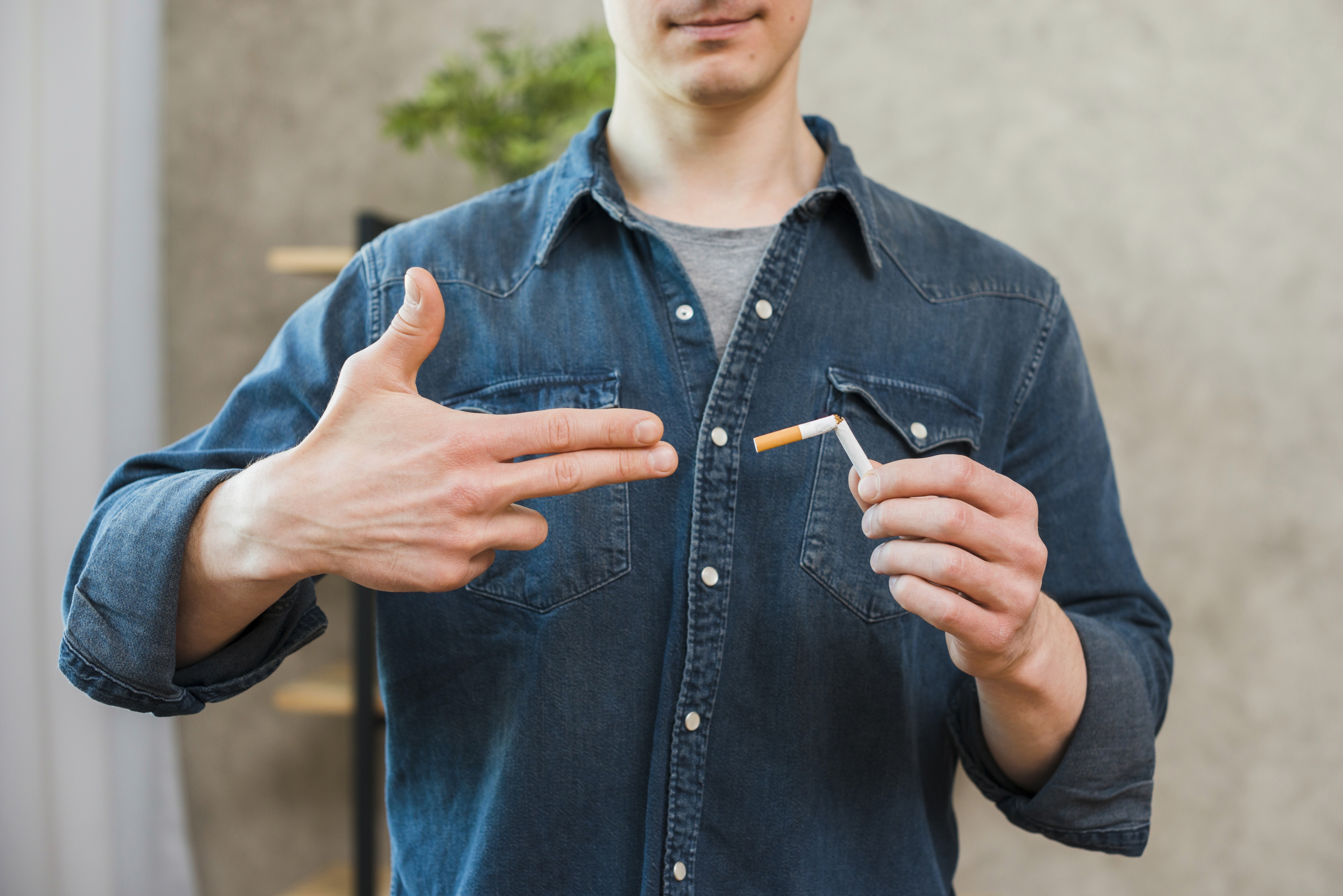
One of the most common questions among individuals considering a hair transplant is whether smoking can affect the procedure and the recovery process that follows. Many patients are particularly interested in understanding whether smoking after a hair transplant may have an impact on the healing environment of the scalp and newly transplanted grafts.
A hair transplant is not only a procedural treatment but also a process that relies on the body's natural healing mechanisms. For this reason, the recovery period is widely regarded as an important component of the overall outcome. Lifestyle factors, including smoking, are often discussed as part of this process.
Smoking is known to expose the body to nicotine and a variety of other substances that may influence circulation and other physiological functions. Because blood flow plays an important role in delivering oxygen and nutrients throughout the body, including the scalp, many hair restoration specialists recommend limiting or avoiding smoking before and after a hair transplant procedure whenever possible.
Based on clinical observations and the experience of many practitioners, smoking may have a negative impact on the recovery process. In some individuals, healing may appear to progress more slowly, and the scalp's recovery response may vary when compared with non-smokers. However, individual experiences can differ significantly, and outcomes may vary depending on a range of personal factors.
Creating an optimal environment for recovery is an important consideration following a hair transplant. For this reason, many clinics encourage patients to avoid smoking during the early stages of the post-procedure period. The goal is to support the scalp's natural healing process and provide favourable conditions during recovery.
Online discussions and patient experiences frequently reflect similar observations. Many individuals report that reducing or temporarily discontinuing smoking during the recovery period contributed positively to their overall experience. Nevertheless, personal experiences should be interpreted with caution, as every patient and every recovery journey is unique.
It is also important to recognize that smoking is only one of several factors that may influence the post-transplant experience. Nutrition, sleep quality, general health status, stress levels, and adherence to aftercare instructions are all elements that may play a role during recovery. Even so, smoking remains one of the lifestyle factors most commonly highlighted by hair transplant professionals.
In conclusion, both clinical experience and published research suggest that smoking may negatively affect the recovery process following a hair transplant. As a result, individuals considering the procedure are often encouraged to discuss their smoking habits with their healthcare provider and follow the recommendations provided by their clinic. Taking steps to support the body's natural recovery process may contribute to creating the most favorable conditions during the post-transplant period.
Start Your Journey with Medivelle Australia
Ready to take the first step toward restoring your hair and confidence? You don't have to figure out the preparation alone. At Medivelle, we guide our Australian patients through every single step of the process—from your initial photo evaluation to your VIP transfers and lifelong follow-up care.
👉 Click Here to Claim Your Free Virtual Consultation with Medivelle Today!
Our medical experts will analyze your hair loss, estimate your required grafts, and design a personalized Istanbul travel plan just for you.